10 Min Read
Tactile Branding: The Impact of High-End Packaging Design
We live in a hyper-digital world where we experience most brands through glass screens. We scroll, we tap, and we double-click. But because our digital interactions are so smooth and frictionless, they can also feel incredibly fleeting.
This digital fatigue is exactly why physical touch has become a brand's secret weapon.
Welcome to the world of Tactile Branding. High-end packaging design isn't just about protecting a product during shipping or looking pretty on a shelf. It is a deliberate, physical extension of a brand’s identity that transforms an ordinary unboxing into an unforgettable sensory experience.
The Science of Touch: Why Haptics Matter
In psychology, the study of touch is known as haptics. Long before we evaluate a product’s price or read its ingredient list, our hands have already formed an opinion.
When a customer holds premium packaging, a psychological phenomenon called the Endowment Effect kicks in. The more tactile and satisfying an object feels, the more value we subconsciously assign to it, and the more connected we feel to it.
Cheap, flimsy cardboard tells the brain the product inside is disposable. Heavyweight paper stock, cold matte aluminum, or a soft-touch finish tells the brain that what lies inside is an investment.
The Elements of Premium Tactile Design
Creating a high-end tactile experience requires moving past standard printing and exploring textures that demand to be felt.
Uncoated and Textured Papers: Moving away from glossy, plastic-feeling coatings in favor of raw, heavy-milled cotton paper or linen-textured cardstock instantly grounds a brand in authenticity and luxury.
Embossing and Debossing: Raising or sinking elements of your design into the packaging material creates physical depth. It forces the customer’s fingers to trace the lines of your logo, creating a literal imprint in their memory.
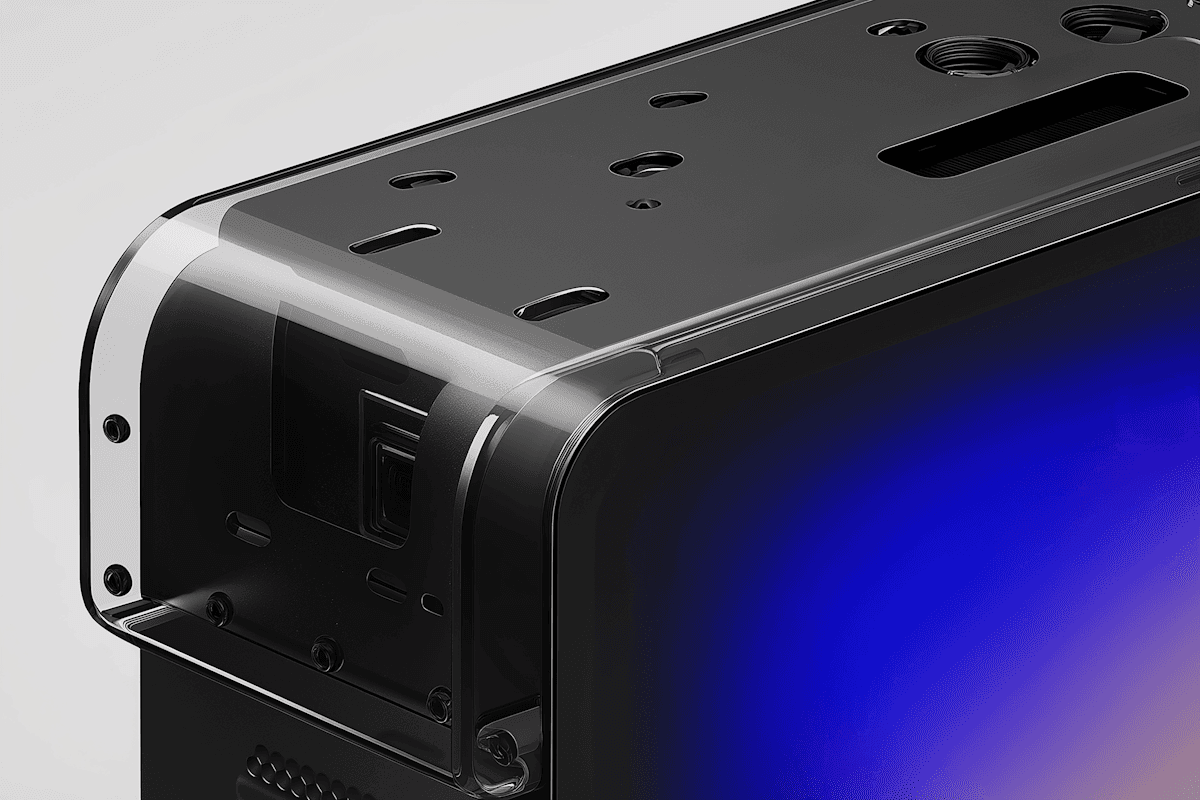
The Weight of Materials: Premium design relies heavily on physical resistance. The rigid click of a magnetic closure, the slow, satisfying slide of a heavy drawer box, or the cold touch of an anodized metal dial all communicate precision engineering before the user even turns the device on.
The "One Metric" Test: The Sound of Simplicity
True tactile branding thinks about the sensory experience as a whole. Take inspiration from high-end industrial design, where the tactile feedback is completely seamless.
Think about the specific snap of a luxury camera battery door, the weighted resistance of a volume knob, or the airtight suction sound of a premium iPhone box opening. If your packaging feels flimsy, rattles when shaken, or rips upon opening, the illusion of premium quality instantly breaks. The materials must work in harmony to create a sense of solid, intentional craftsmanship.
The Bottom Line
Digital marketing can capture the eyes and ears, but packaging is the only medium that can shake hands with your customer. When you invest in high-end tactile design, you aren't just selling a product anymore—you are selling a physical ritual. And in a world behind glass, nothing stands out quite like something you can feel.